
6 reasons why thousands of 40+ year olds changed their cap
prevent
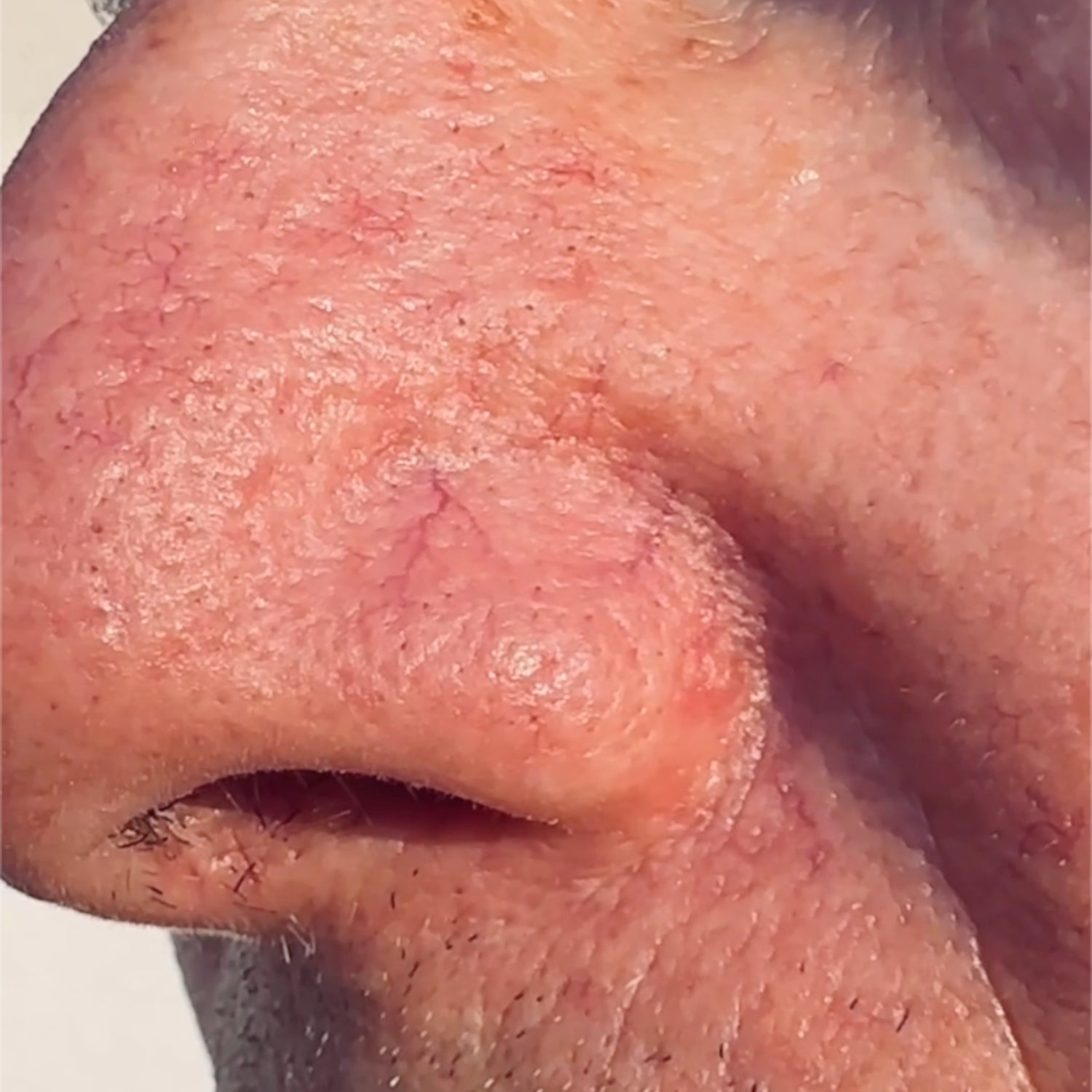
1st signs of skin aging
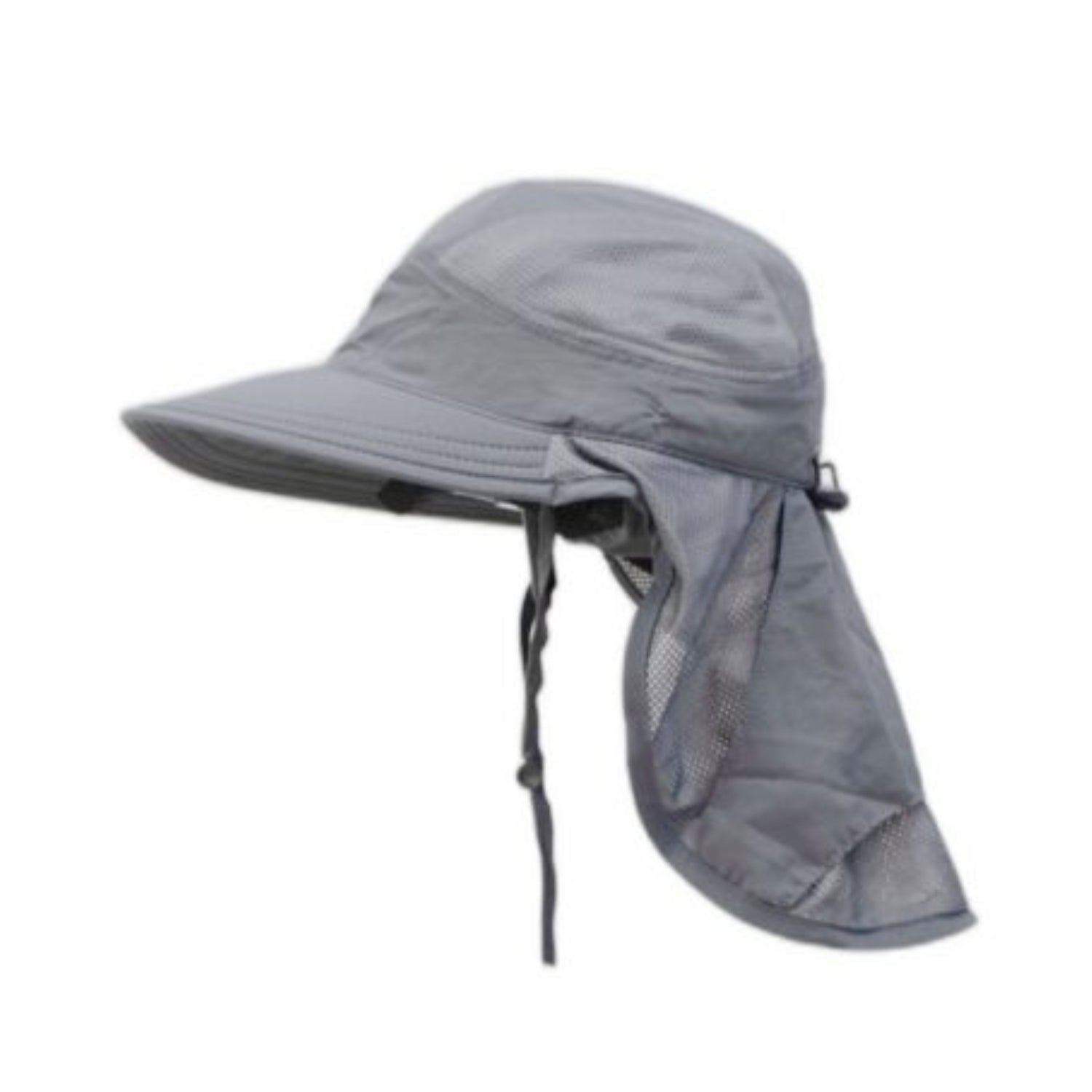
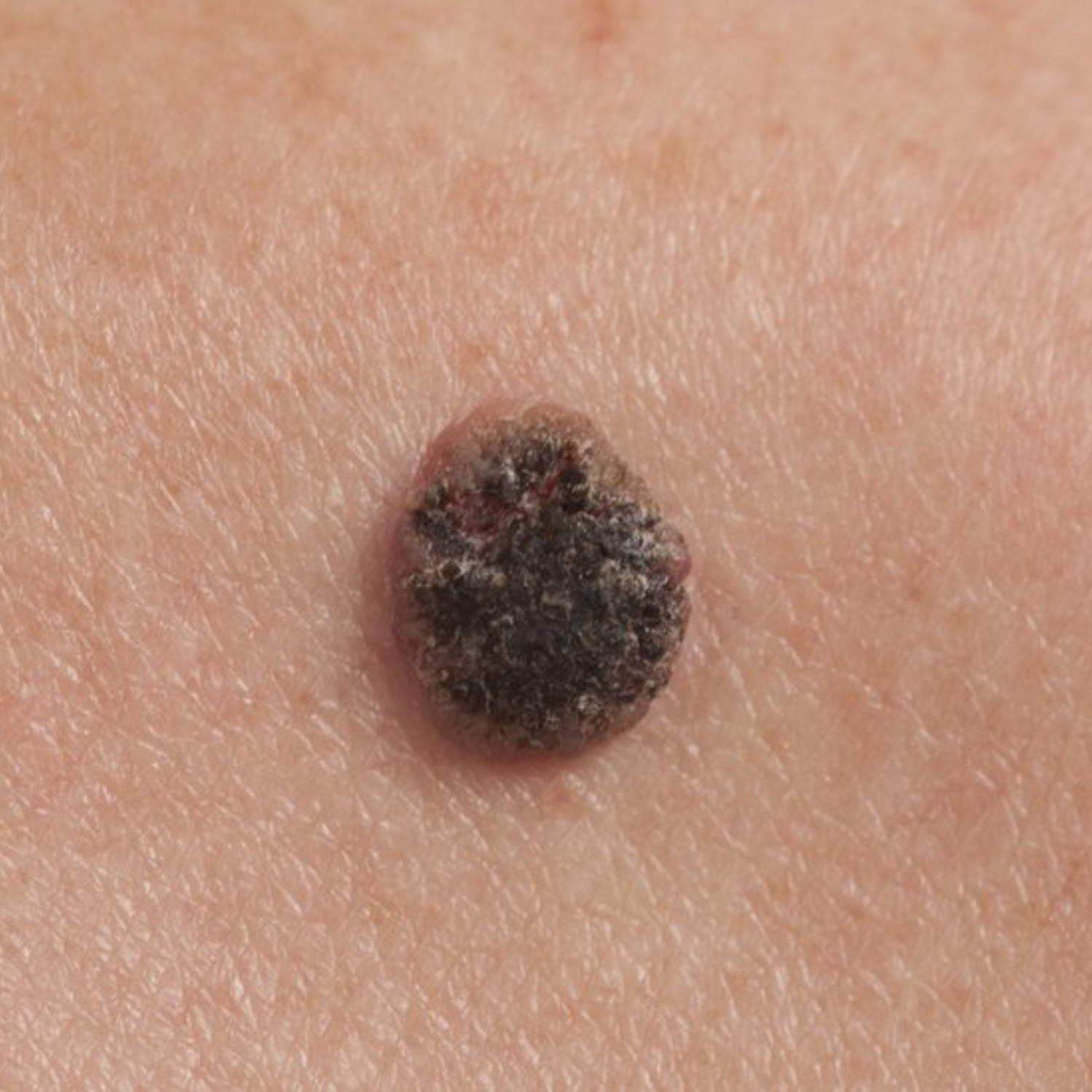
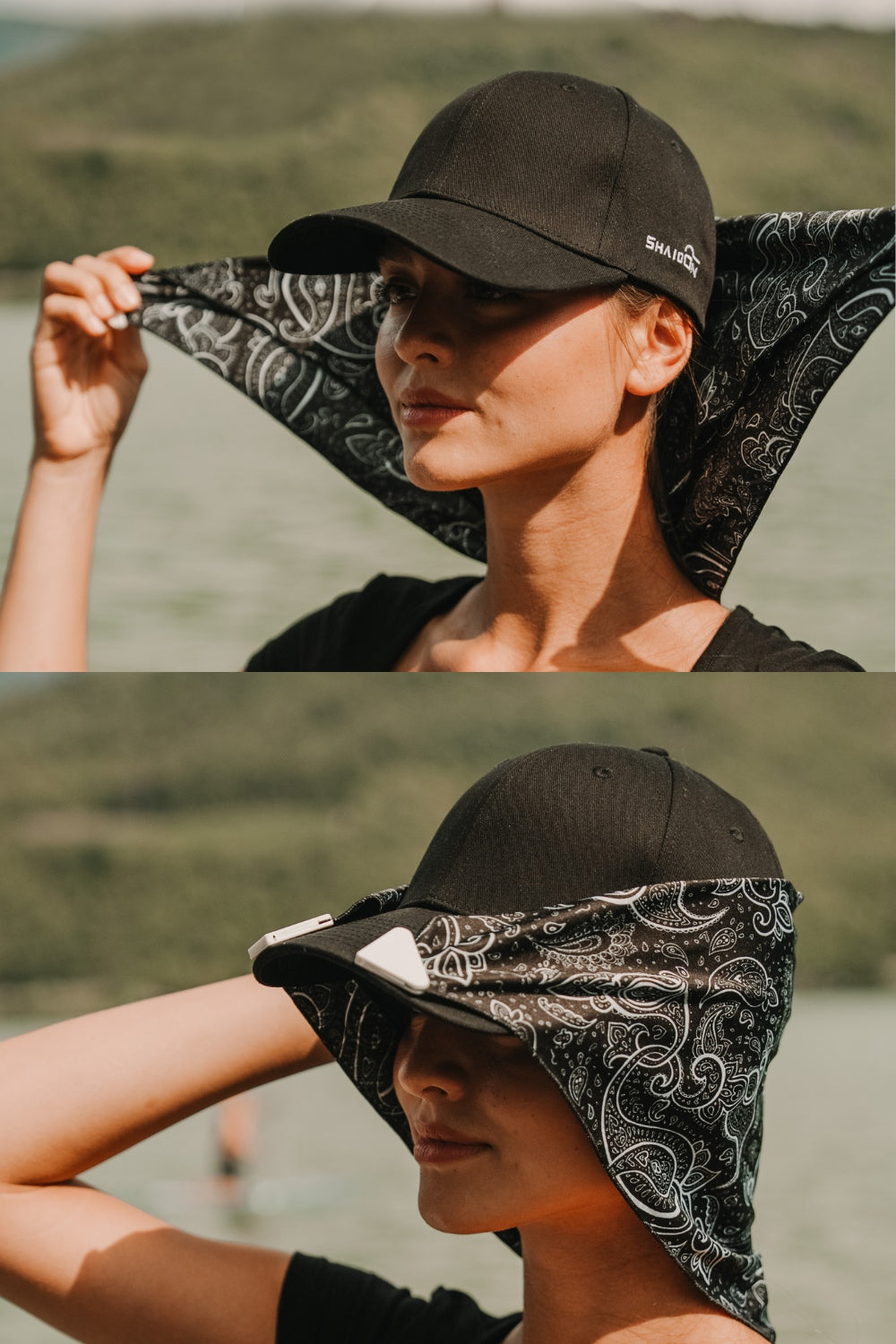
From first tiny visible blood vessels on your nose to red or black spots that were not there just months ago: Your skin is aging, but you decide how slowly. Basically all dermatologists agree that UV exposure is by far the number one factor causing skin aging.Shade, instead blocks up to 75% of all UV rays and our brim add-on provides you 2+ more hours of shade per day. The only protection better than shade? Clothing! While so far it was either not stylish, inconvenient or simply not possible to cover your ears & neck when needed, now it is! How? Through our patented bandana add-on.
a practial problem
Sunscreen ain't work
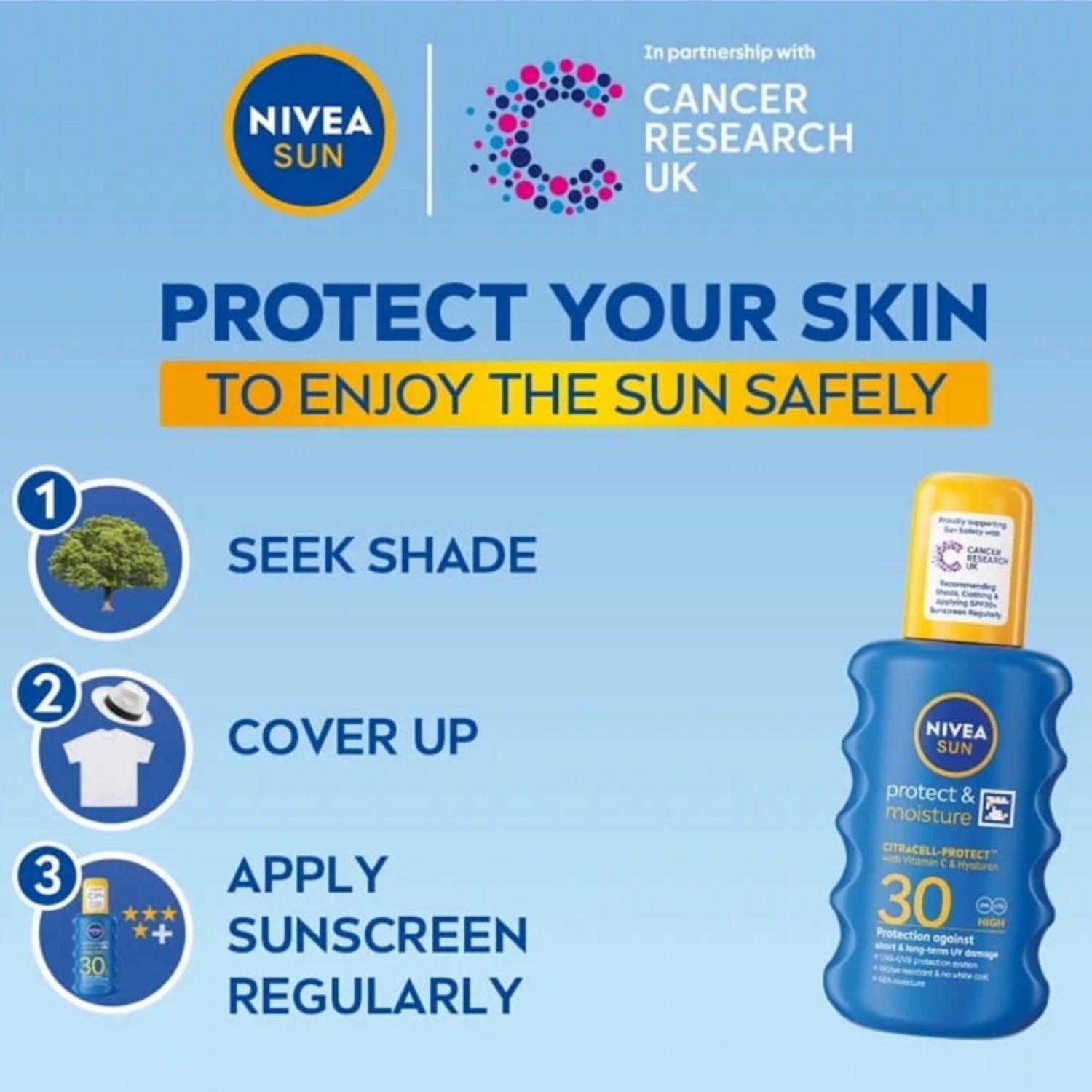
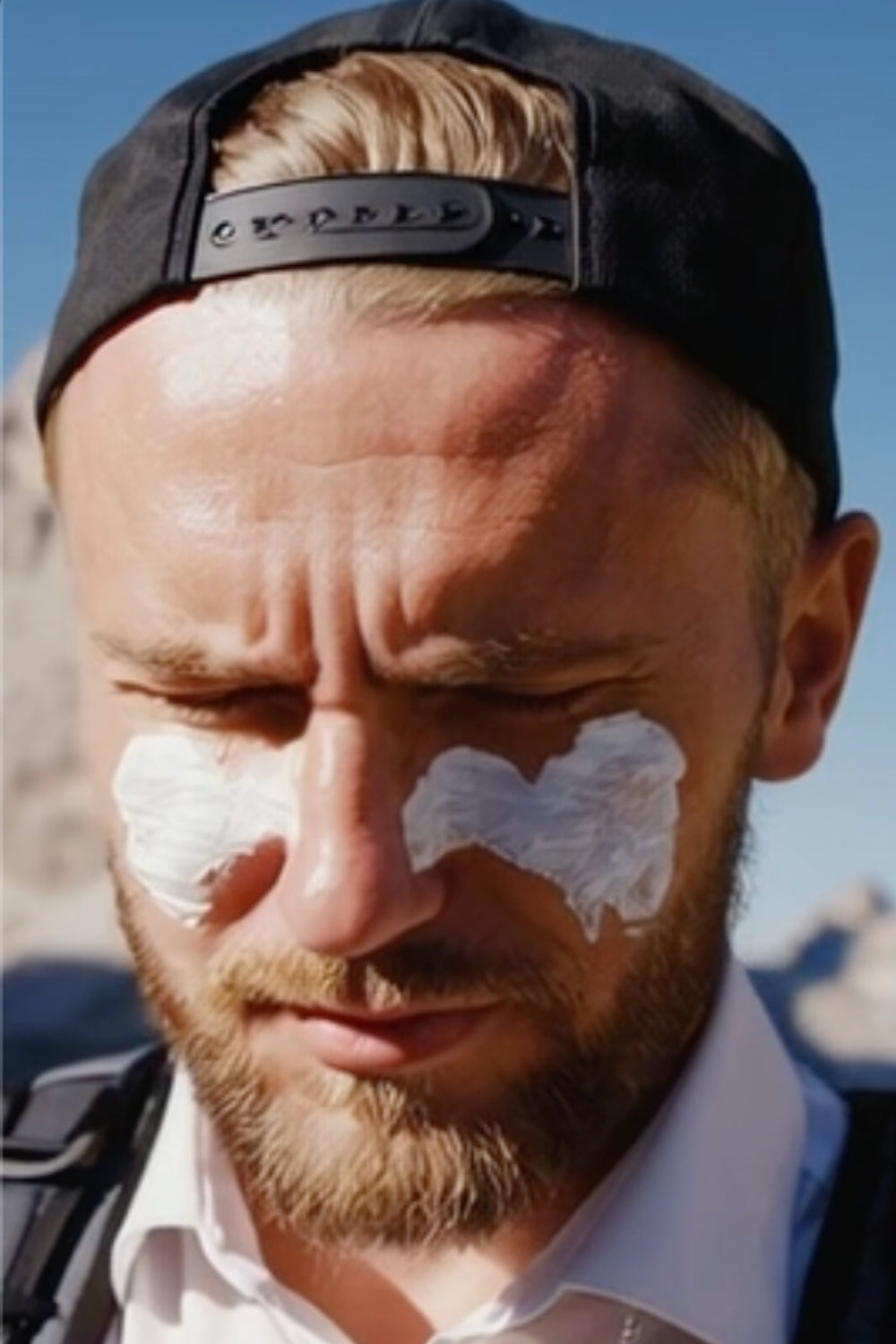
Don’t get us wrong - sunscreen WOULD work, IF a) you apply much more than people actually do, b) you reapply it every two hours on a hiking or beach day, c) when you don’t forget your most sensitive zones, including areas next to your hairline. Honestly, do you follow a, b & c? Other people, instead, simply don’t use sunscreen in the first place: Doubtful ingredients, fatty skin, forgetting it at home, expired products. What’s more, not only the science, but also sunscreen companies themselves like NIVEA acknowledge that shade and clothing are more more important than sunscreen during sun peak hours.

plan a: caps, but ...
sunhats: a bad plan b
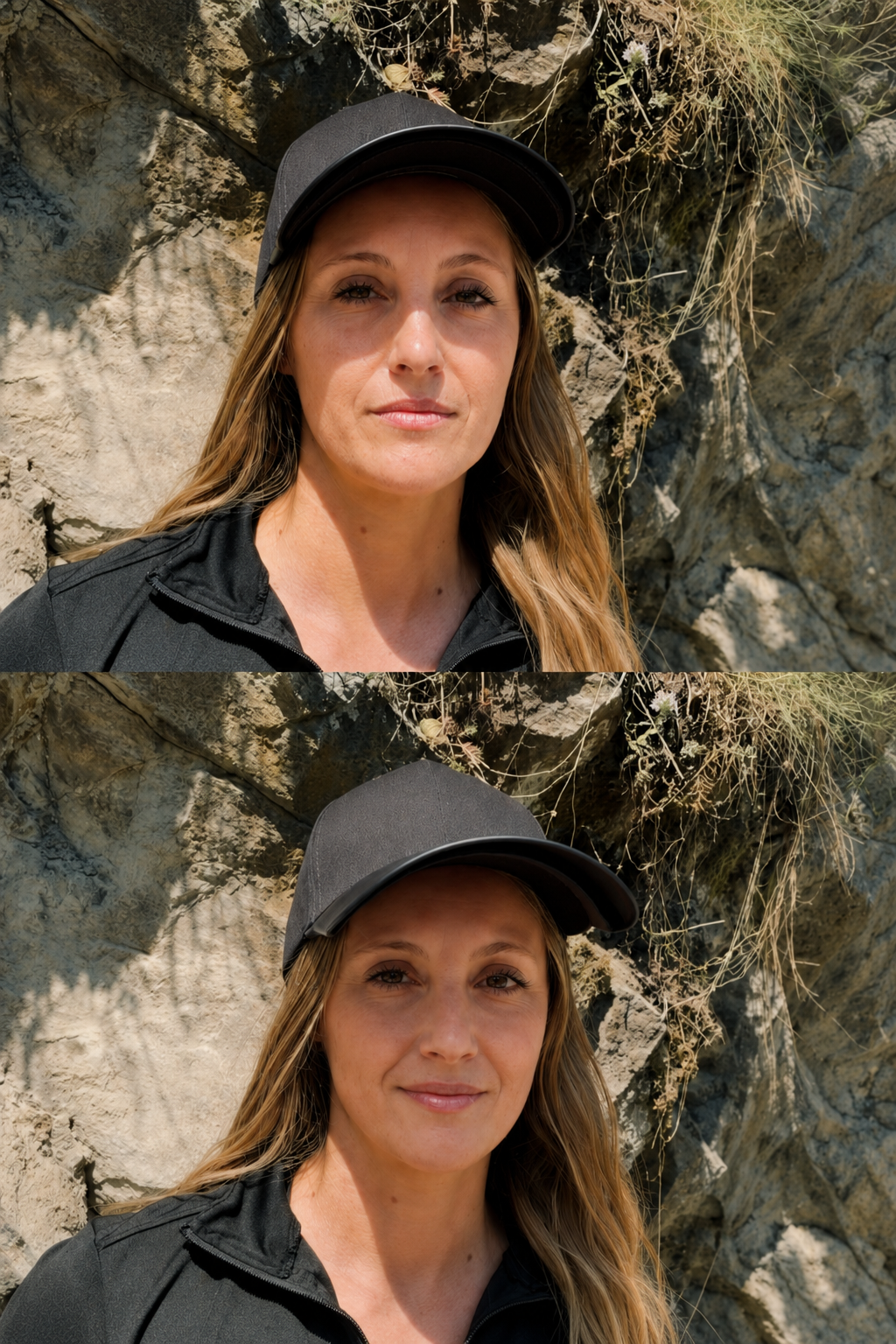
300 millions caps per year do not get sold without a reason. It probably became THE accessory in the westernised world - both for men & women. The big problem: There basically no innovation happening, so that 99% of all caps have been looking the same for decades. That one remaining percent? Products that either are not modular, a.k.a. they are not adaptable to your sun situation, or they just look silly. Sun hats? Mostly bulky and rarely fit your every day outfit. ShaidOn caps solve all this, providing stylish shade whenever needed - and most importantly - our concept is based on a completely normal cap!
face, ears & neck
8/10 skin cancers start here
Have you ever asked yourself why your face-, ear- and neck skin easily looks ten years older than the rest of your body? Even if you spend most time and money for face skincare? Still, it would be too easy to state that the sun is the problem. Over-exposure is! You mostly cover your whole body, preventing you from getting enough Vitamin D, while your face, ears and neck remain exposed almost all the time. A disbalance not only causing aesthetical issues ...


better views!
less eye wrinkels and ..
Fundamental without sun glasses, but even important with: Please shade your eye area! You might think your cap does that already? Only when the sun stands high! Our brim add-on, instead, covers your eyes for two more hours in summer. The benefit is twofold: First, you are preventing UV rays to fully hit your thin, thus super sensitive eye area skin. Second, you will automatically squint/squeeze your eyes less. The otherwise permanent squinting (which mostly happens unconsciously), leads to more eye wrinkels according to science. Another side effect? Less distractions & more focus during screen- & book time.

the power of shade
most natural & effectiv uv protection
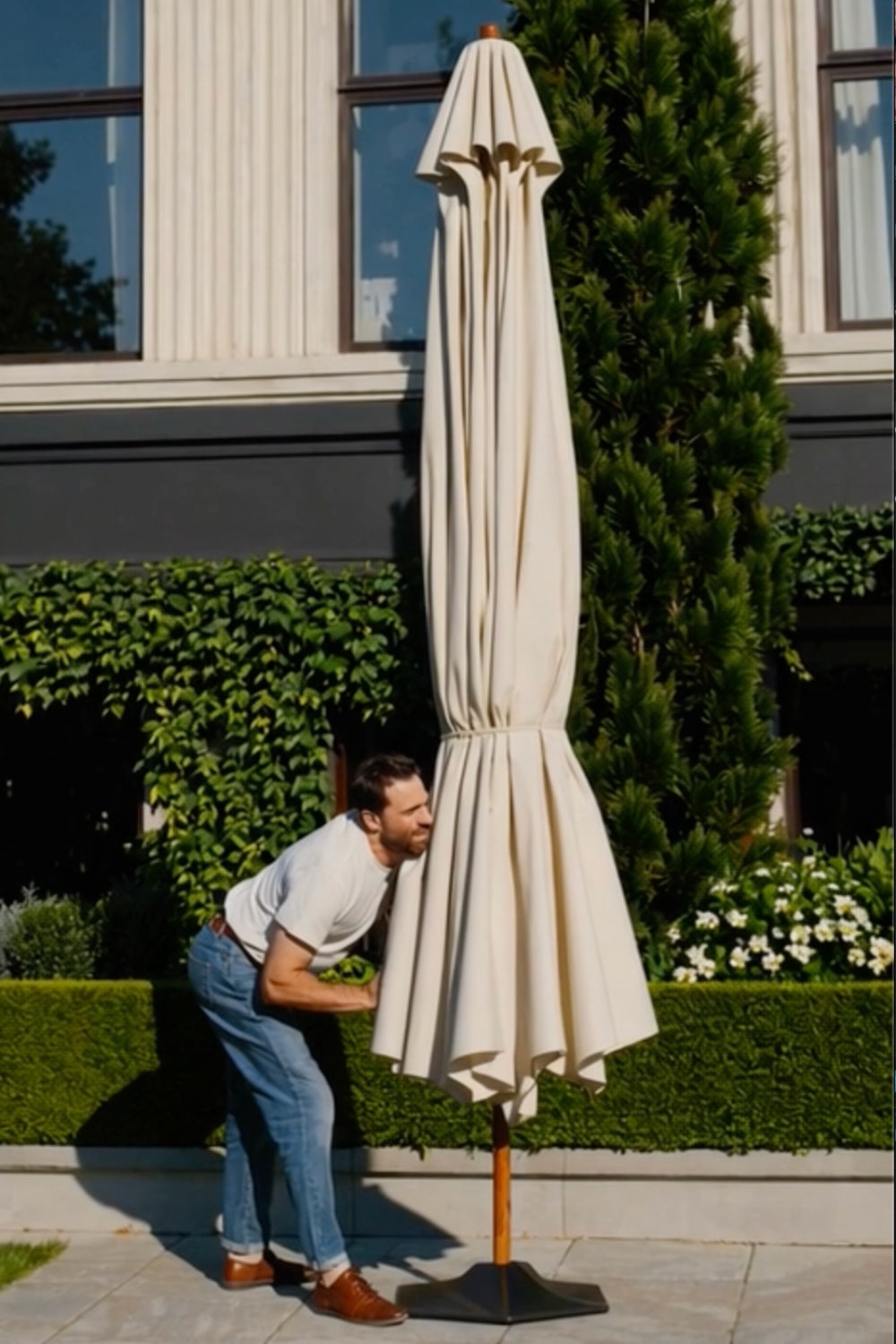
In 1932, sunscreen was not even invented to prevent skin damage, but rather to offer a more smooth transition from being white in winter to brown in summer (no joke!). Shade & clothing, instead, are our oldest, most intuitive UV protection mechanisms. Plus, you might have a blind spot: Only in today’s westernised culture it is trendy to lay in the sun while being abnormal to cover your face with clothing. Another culture problem: Mountain and beach weekends. Good idea, but not with an unprepared “40-hour-office skin” and not the whole day. Why shade is so crazily underrated, apart from the fact that doctors and pharma can’t make money out of it: SO FAR, shade was either not transportable, not stylish or flexible to use. ShaidOn, instead, now offers shade on demand when and where you need it most. One last fact: It shade decreases perceived temperature by up to 15°C according to science.